It is a bit confusing to people but many buildings in Paris are called names like “Hôtel de Sully”. These aren’t hotels in that you would stay in them like the Hilton or Marriott. The term “hôtel particulier” means a fancy townhouse or mansion in the city. ”Particulier” refers to an individual or private individual. So a hôtel particulier was an individual’s house. A hôtel particulier would most likely have had a gate and possibly a gate house with an inner courtyard surrounded by a multi-story building all around the courtyard. There are many of these left in Paris. Some have been turned into actual hotels and some have stayed in private hands! Some are so grand that they have become embassies or residencies of the ambassador. Sadly many (in fact most) cannot be visited but you can see them from the outside and sometimes glimpse the courtyard.
To make it even more confusing term hôtel was also used for traditional type hotels for travelers and also sometimes government buildings such as the hôtel de ville (Paris city hall).
Here are three examples of a “hôtel particulier” as well as the Paris “hôtel de ville”. Note that many of the examples are in the Marais, a Paris district where the architectural heritage is particularly well-preserved. Also, this is just a very very small number of examples, there are so many more in the city!
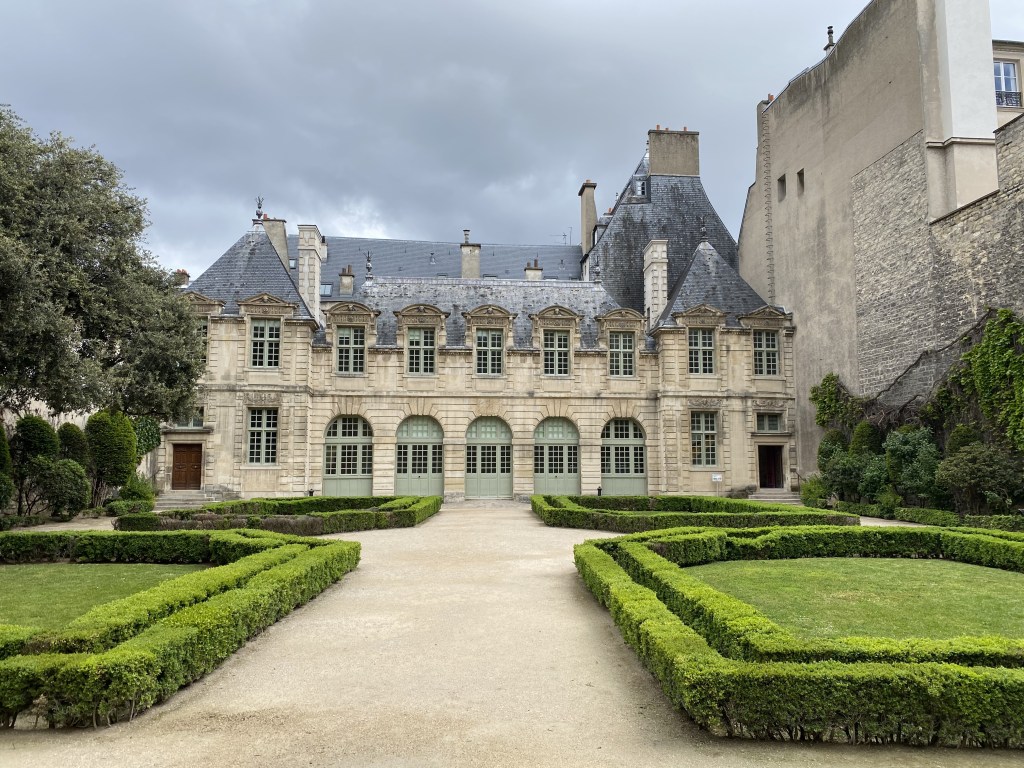
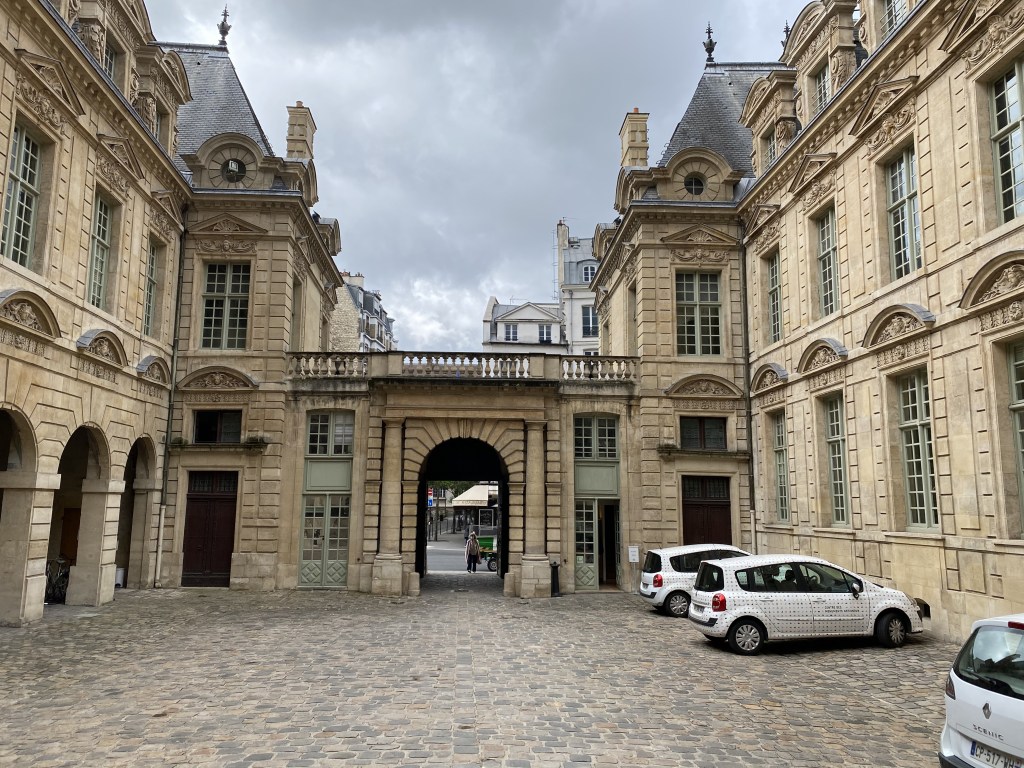
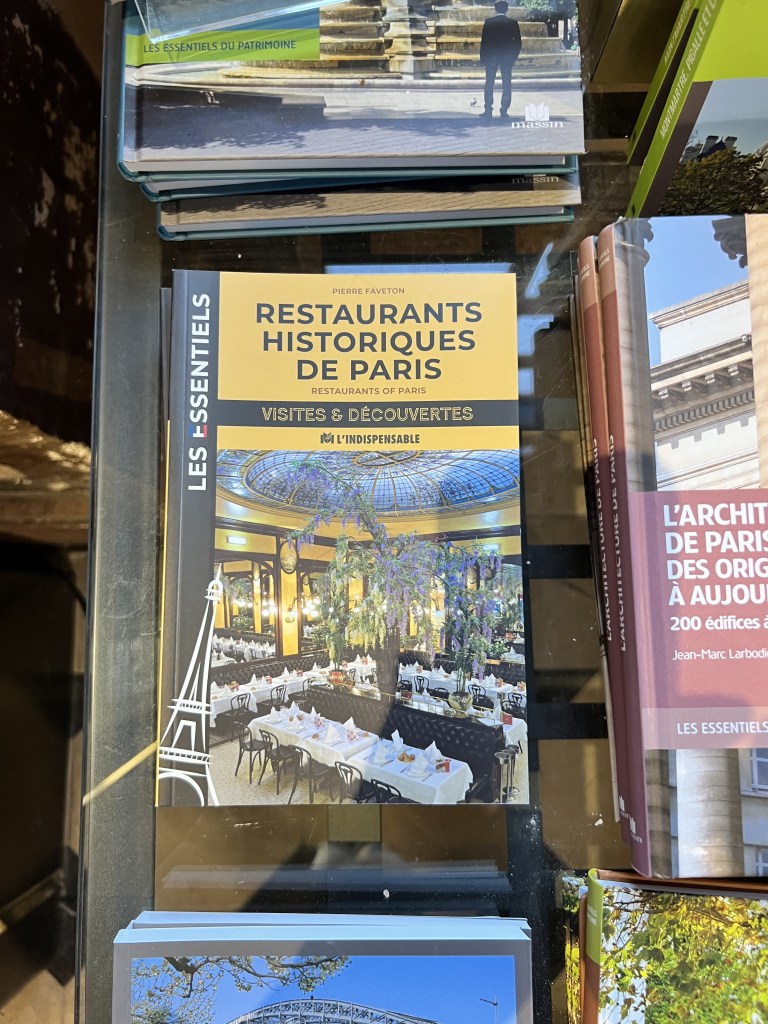
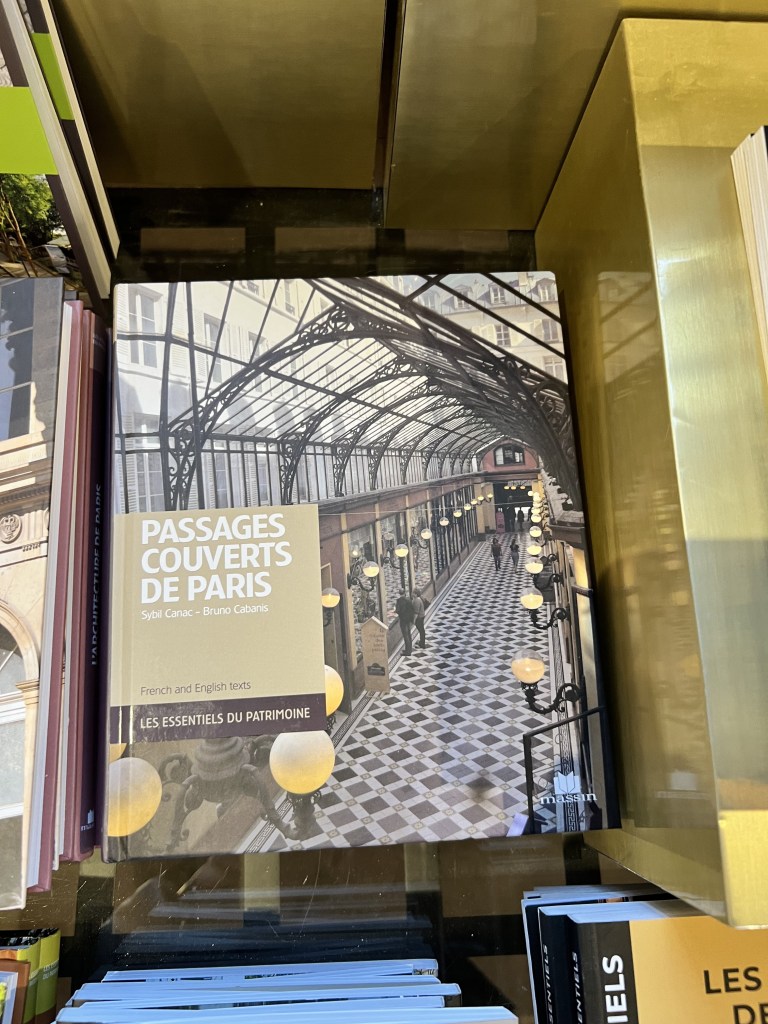
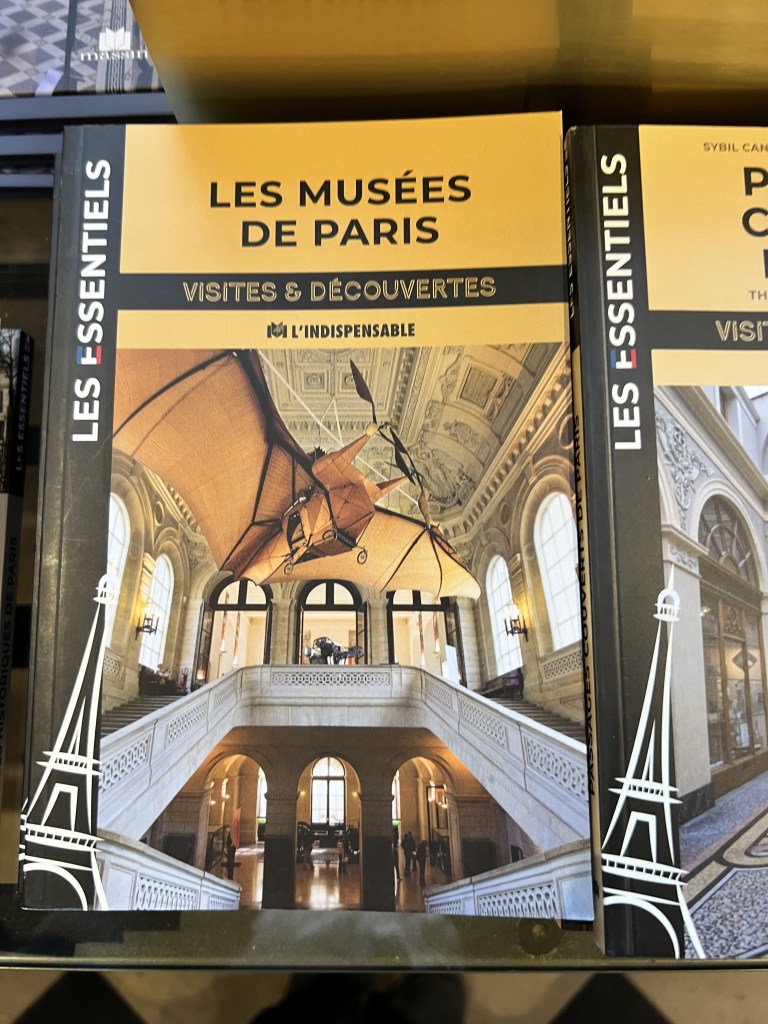
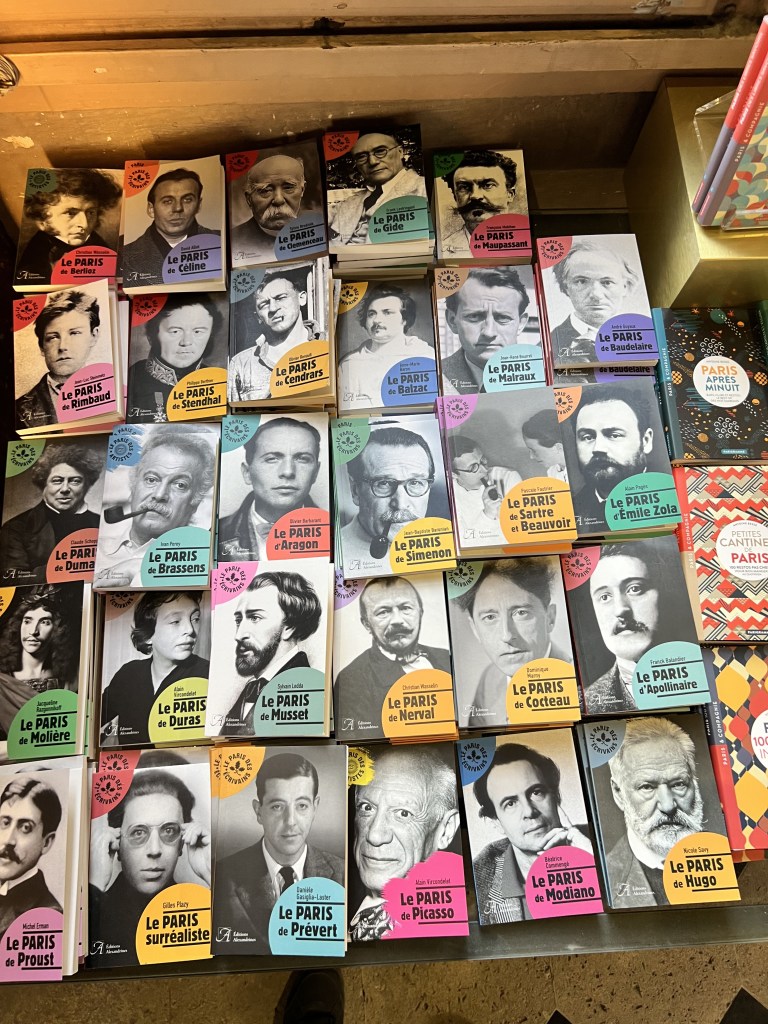
Hôtel de Sully – this house was built in 1624. It has a private garden and an orangerie. It was owned by the Duc de Sully, the former minister of finance to King Henri IV. It is now state owned and is the head office of the National Monuments center. The gardens are gorgeous as is the bookshop housed on the main floor.
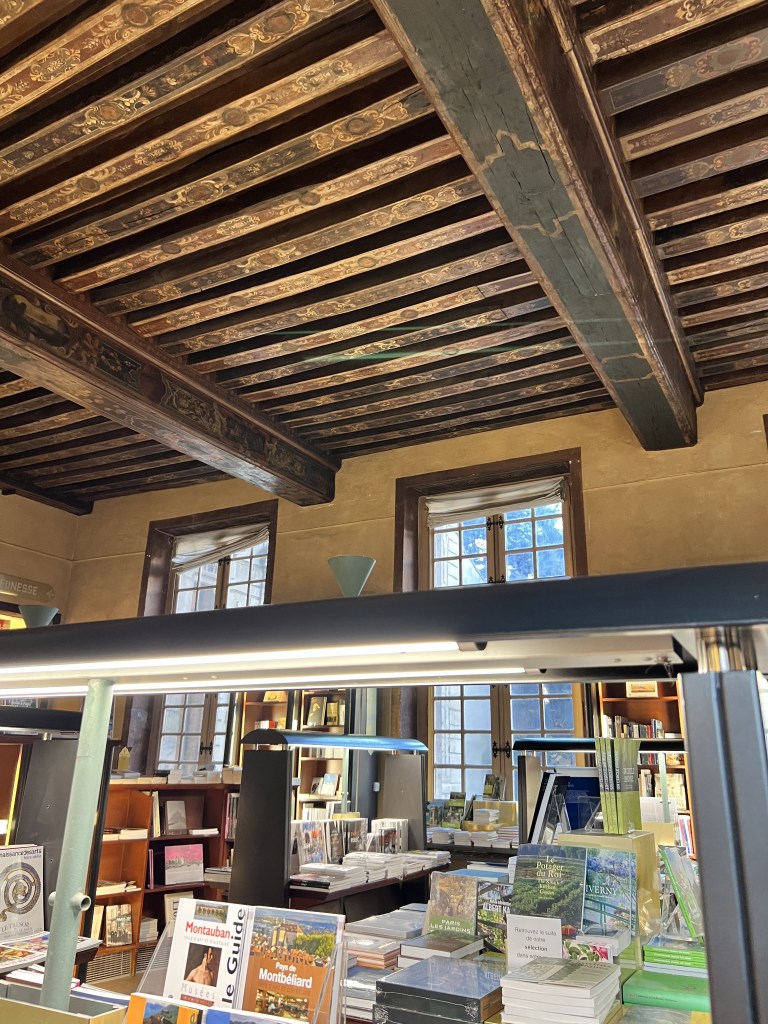
The ceiling of the bookshop has 17th century painted beams and joists as well as traces of painted decorations in he window enclosure.
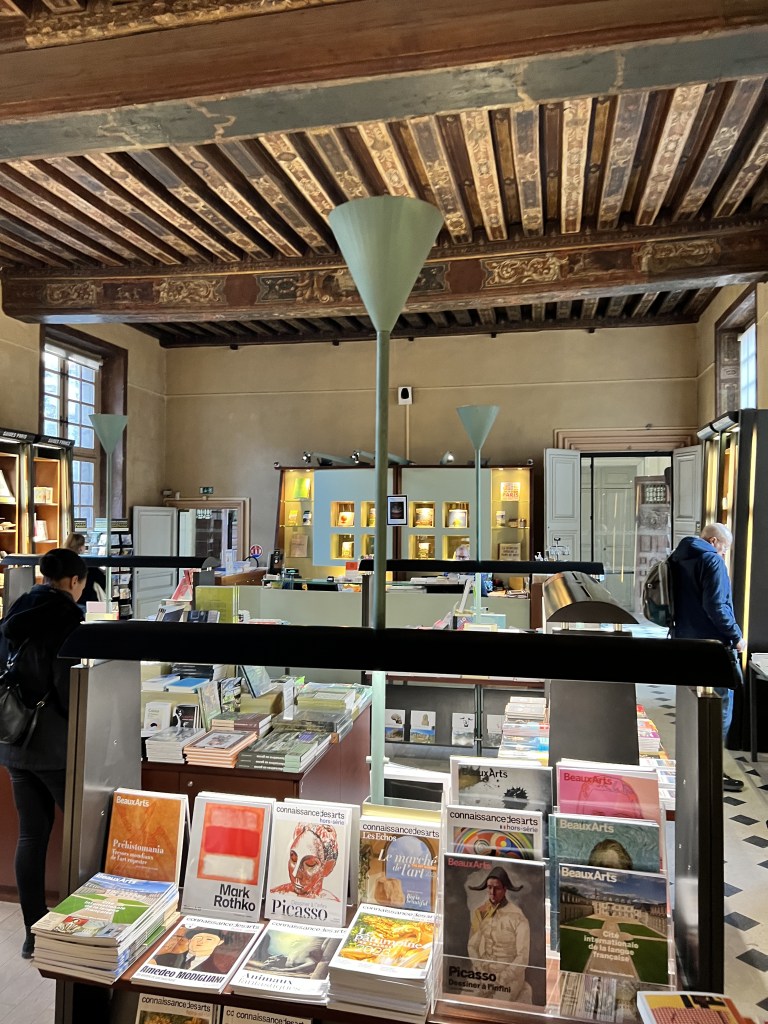
The building and gardens are worth visiting on their own as is the amazing bookstore. Since this is the headquarters of the center for national monuments the books are all about France and Paris. It is the best selection of “travel” books I have ever seen — but they aren’t your typical travel books. It is well worth the visit especially if you have some unique interests (a particular building/garden/area/artist etc.).
Hôtel Carnavalet – in this case, the Hôtel was turned into a museum. The Carnavalet-History of Paris Museum is the oldest City of Paris museum. It opened to the public on February 25, 1880, in the Carnavalet mansion and recently underwent massive renovations over 4 years reopening in May of 2023. It is one of the free museums of Paris so if you have time it is worth dropping by.
Hôtel De Talleyrand - is the property of the US government and is a venue for official conferences, meetings and receptions. The hôtel particulier is also leased to the Parisian offices of Jones Day, an American law firm.
Hôtel Donon – this is another instance where the private mansion was turned into a museum. It is now home to the museum Cognac-Jay.
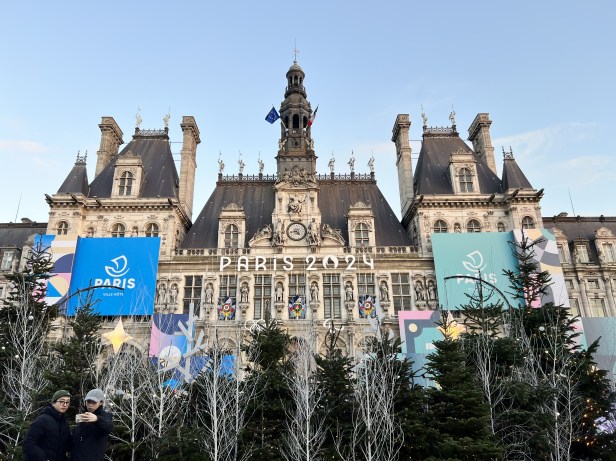
Hôtel de Ville - in this case, the term Hôtel is used for the city hall and this building was never a private mansion. So this is a different use of the term “hôtel”. The Hôtel de Ville of Paris was built in the 1500s and construction continued through the 1600s. However, the original building burnt down during the Paris Commune in 1871. The current buiolding houses a large plaza in front which has elaborate Christmas displays each year with a Christmas market and decorations. During the year there are often other displays and sometimes protests!
 Maman & Fille